A correctly-functioning car engine runs at a warm temperature. While it naturally fluctuates according to the weather, driving style, speed, and other nuances, this temperature must remain within normal operating conditions. When it doesn’t — when the gauge climbs toward the red — something in the cooling system has failed or is failing. Here are the most common reasons.
Low Coolant
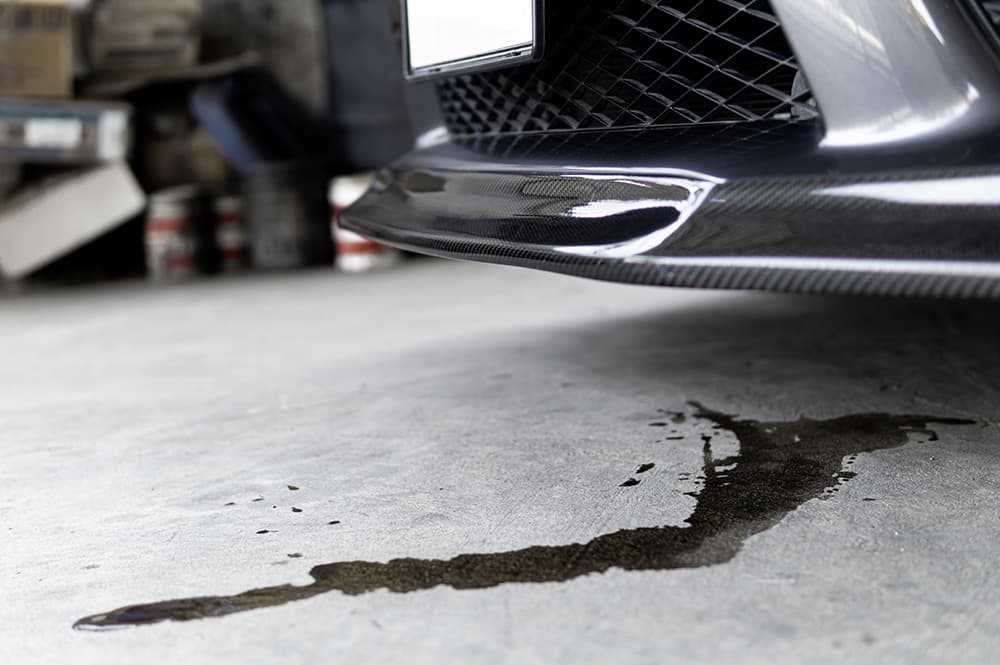
The most frequent cause by far. Coolant escapes through leaks in hoses, the radiator, the water pump, or a loose cap. Without enough coolant circulating, the engine simply can’t shed heat.
A Stuck Thermostat
The thermostat regulates coolant flow as the engine warms. If it sticks closed, coolant can’t circulate through the radiator at all, and temperatures spike quickly — often shortly after starting out.
Radiator Problems
A clogged, corroded, or leaking radiator can’t transfer heat to the air. Debris blocking the fins — common after highway driving — has the same effect.
Failed Water Pump
The water pump is the heart of the cooling system. A failing pump (often signaled by a coolant leak near the front of the engine or a whining noise) stops circulation entirely.
Broken Cooling Fan or Slipping Belt
At low speeds and idle, the fan does the work of moving air through the radiator. A dead fan or a slipping serpentine belt shows up as overheating in traffic that improves at highway speed.
What to Do If the Gauge Climbs
- Turn off the A/C and turn on the heater — it pulls heat away from the engine.
- Pull over safely and shut the engine off.
- Never open a hot radiator cap; wait for the engine to cool.
- Have the cooling system inspected before driving far — continued overheating can warp heads and destroy engines.
Florida heat gives cooling systems no margin for error. Have your coolant level and condition checked at your neighborhood Jiffy Lube of Florida — it takes minutes and can save an engine.